


Virtual hosting changed the way we think about servers by letting one machine run many websites at once and that shift made a real difference for businesses and researchers. Yet one detail often gets overlooked. Studies show around 30 percent of servers in traditional data centers just sit idle, wasting energy and money. That number is shocking. What if virtual hosting is not just about saving space or streamlining websites, but is actually the secret weapon for eliminating this kind of waste entirely?
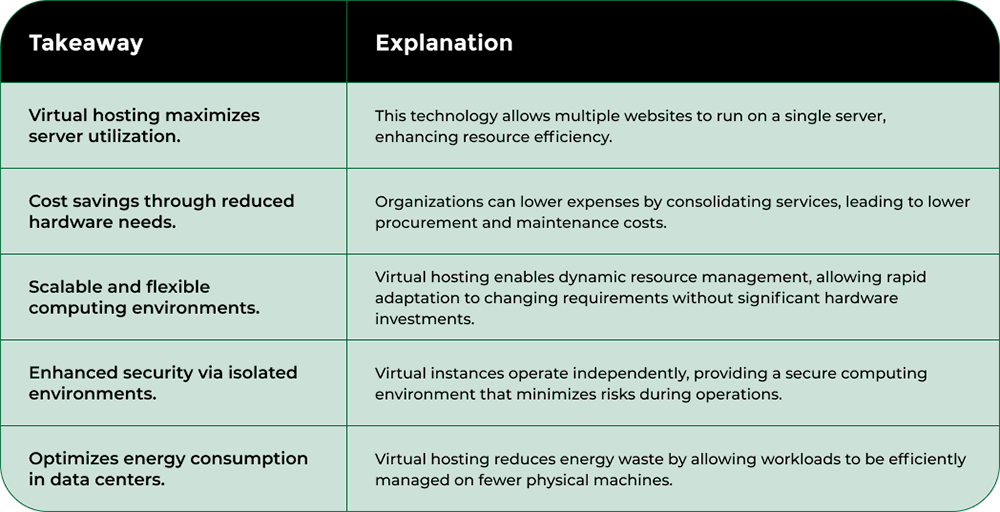
Virtual hosting represents a critical technological approach that enables multiple websites or services to operate simultaneously on a single physical server, maximizing resource utilization and reducing infrastructure costs. At its core, virtual hosting allows web hosting providers and organizations to efficiently manage computing resources by creating isolated virtual environments that function independently.
The fundamental mechanism of virtual hosting relies on advanced server technologies that partition a single physical machine into multiple virtual instances. Each virtual instance operates as a separate, independent server with its own allocated resources, including processing power, memory, and storage. This approach enables organizations to optimize hardware usage, reduce energy consumption, and create more scalable and flexible computing infrastructures.
The following table summarizes the core components and responsible functions in virtual hosting, easing comparison and review for technical and non-technical readers alike.
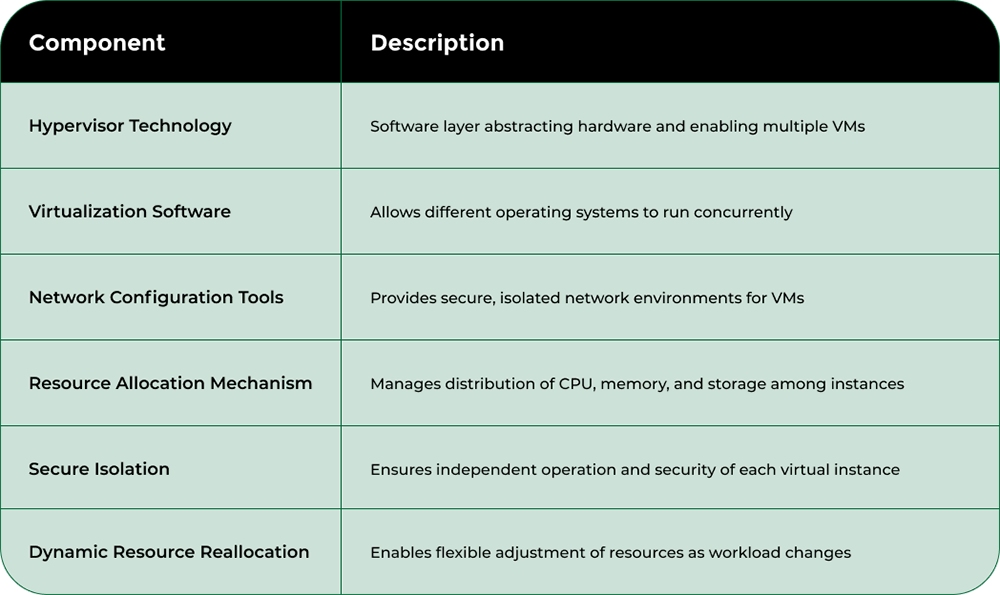
Key technical components of virtual hosting include:
Virtual hosting provides significant advantages across various computing domains. According to cloud infrastructure research from Gartner, organizations can achieve substantial cost savings and operational efficiency through strategic virtual hosting implementations. By consolidating multiple services onto a single physical server, businesses can reduce hardware expenses, simplify maintenance, and create more responsive and adaptable IT infrastructures.
The technology supports diverse use cases, from web hosting and application deployment to complex enterprise computing environments. Virtual hosting enables rapid scaling, improved resource management, and enhanced security through isolated computing environments, making it an essential strategy for modern digital infrastructure design.
Virtual hosting has transformed modern data center architectures by enabling unprecedented levels of computational efficiency, resource optimization, and operational flexibility. As organizations increasingly demand more robust and scalable computing infrastructures, virtual hosting emerges as a critical technological strategy that fundamentally reshapes how computational resources are allocated, managed, and utilized.
Data centers historically struggled with significant resource underutilization, often operating servers at minimal capacity while consuming substantial energy.
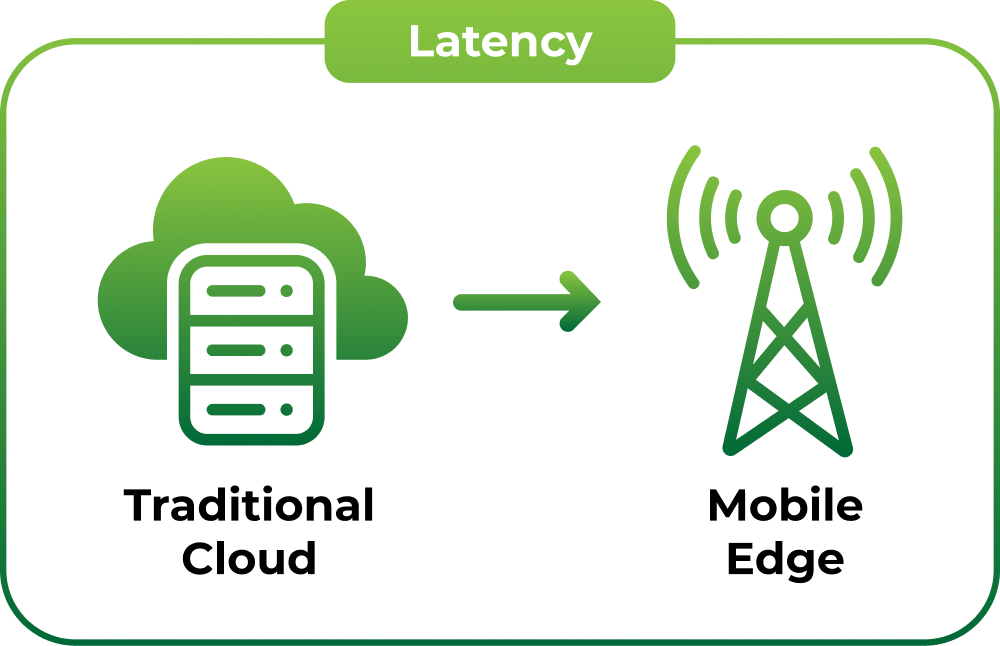
According to research from MIT, approximately 30% of servers in traditional data centers remain underutilized, creating inefficient computing environments. Virtual hosting directly addresses this challenge by enabling intelligent workload consolidation, allowing multiple services to run concurrently on a single physical machine while dramatically reducing energy consumption and hardware footprint.
Key advantages of virtual hosting in data center environments include:
Modern enterprises require computing infrastructures that can rapidly adapt to changing technological demands. Virtual hosting provides unparalleled flexibility by allowing organizations to dynamically create, modify, and terminate virtual environments without substantial hardware investments. This approach enables businesses to scale computational resources precisely according to their immediate requirements, eliminating the traditional constraints of physical server limitations.
For organizations seeking to understand how advanced computing infrastructures support emerging technologies, read more about high-performance computing strategies that complement virtual hosting techniques. By integrating virtualization technologies, enterprises can create more responsive, efficient, and adaptable computing ecosystems that meet the complex challenges of contemporary digital infrastructure design.
Virtual hosting operates through sophisticated technological mechanisms that transform how computing resources are allocated, managed, and utilized across physical server infrastructure. By creating multiple independent virtual environments within a single physical machine, this technology enables unprecedented computational efficiency and flexibility.
According to the National Institute of Standards and Technology, hypervisor technology serves as the foundational layer that enables virtual hosting. A hypervisor acts as a sophisticated software layer that abstracts physical hardware resources, allowing multiple virtual machines to operate simultaneously and independently.
This virtualization layer creates isolated computing environments, each with dedicated access to computational resources like processing power, memory, and storage.
Key components of hypervisor functionality include:
The intricate process of virtual hosting relies on advanced resource partitioning techniques that divide physical server capabilities into discrete, manageable units. Each virtual instance receives a precisely defined allocation of computational resources, ensuring that individual virtual environments can operate without interference or performance degradation from other concurrent virtual machines.
For organizations seeking deeper insights into advanced computing infrastructures, explore our comprehensive guide on high-performance computing strategies that complement virtual hosting technologies. By understanding these complex mechanisms, enterprises can develop more robust, efficient, and adaptable computing ecosystems that meet the demanding requirements of modern digital infrastructure.
Virtual hosting has emerged as a transformative technology that delivers substantial strategic advantages for enterprises and research organizations seeking flexible, efficient, and scalable computing infrastructures. By reimagining how computational resources are deployed and managed, virtual hosting provides a powerful toolkit for organizations navigating complex technological landscapes.
This table provides a clear comparison of the key benefits of virtual hosting for both enterprises and research institutions, helping organizations quickly identify areas of value and impact.
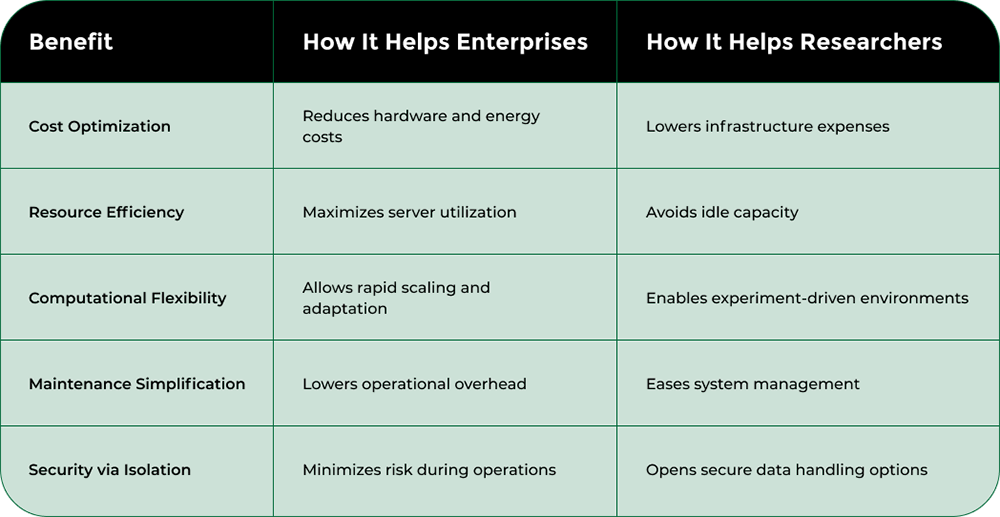
According to comprehensive research from the National Institute of Standards and Technology, virtual hosting enables organizations to dramatically reduce infrastructure expenses while maximizing computational resource utilization. Traditional computing models often require significant upfront hardware investments and maintain underutilized server capacities. Virtual hosting disrupts this model by allowing multiple virtual environments to operate concurrently on a single physical machine, effectively spreading infrastructure costs and reducing overall technological expenditures.
Critical financial benefits of virtual hosting include:
Research institutions and enterprise technology teams require computing environments that can rapidly adapt to evolving computational demands. Virtual hosting provides unparalleled flexibility by enabling researchers and IT professionals to dynamically create, configure, and terminate virtual environments without significant hardware investments. This approach allows organizations to experiment, scale, and iterate computational resources with unprecedented agility.
For organizations looking to understand how advanced computing strategies can transform their technological capabilities, explore our comprehensive guide on high-performance computing strategies that complement virtual hosting technologies. By leveraging these sophisticated computational approaches, enterprises can develop more responsive, efficient, and innovative technological ecosystems.
Virtual hosting has become an indispensable technology for artificial intelligence and high-performance computing (HPC) environments, enabling unprecedented computational capabilities and resource management strategies. By transforming how complex computational workloads are processed and distributed, virtual hosting provides a sophisticated framework for managing intricate computational challenges.
According to research from the University of Maryland, Baltimore County, virtual hosting allows AI research teams and enterprises to create flexible, scalable computing environments that can rapidly adapt to complex machine learning and deep learning workloads. These virtualized infrastructures enable precise resource allocation, allowing organizations to partition computational resources dynamically based on specific algorithmic requirements, training models, and data processing needs.
Key advantages of virtual hosting in AI environments include:
High-performance computing demands sophisticated computational architectures that can handle massive parallel processing and complex computational tasks. Virtual hosting provides a critical mechanism for researchers and enterprises to optimize computing resources, enabling more efficient utilization of advanced hardware infrastructure. By creating multiple virtual instances within a single physical computing environment, organizations can maximize computational density and reduce infrastructure overhead.
Learn more about cutting-edge AI computing infrastructure strategies that showcase how virtual hosting transforms computational capabilities across research, finance, and technology sectors. These advanced techniques demonstrate the profound impact of virtualization technologies in creating more responsive, efficient, and powerful computing ecosystems.
Are you struggling to maximize resource efficiency or scale your AI and high-performance computing projects as described in our article about virtual hosting? The complexity of running multiple demanding workloads on limited hardware often leads to underused resources, rising energy costs, and lack of agility. When success depends on optimized virtual environments and rapid deployment, traditional procurement and outdated infrastructure can put your organization behind.
Stop letting slow hardware cycles and inefficient resource management limit your team. At https://nodestream.blockwaresolutions.com, you gain instant access to verified, enterprise-grade GPU servers and HPC equipment tailored for virtual hosting, AI, and research applications. Browse real-time inventory, arrange for secure global deployment, and streamline bulk orders or resale with comprehensive support every step of the way. Secure the infrastructure that empowers your virtual environments to scale, adapt, and outperform — explore AI-ready and HPC solutions now and get ahead in today’s competitive landscape.
Virtual hosting is a technology that allows multiple websites or services to run on a single physical server. It maximizes resource utilization and reduces infrastructure costs by creating isolated virtual environments that function independently.
Virtual hosting improves resource efficiency by partitioning a single server into multiple virtual instances, each operating independently. This allows organizations to optimize hardware usage, reduce energy consumption, and create scalable infrastructures, thereby addressing issues of underutilization.
Businesses benefit from virtual hosting through cost savings on hardware, lower energy consumption, simplified maintenance, enhanced scalability, and improved operational efficiency. It allows organizations to adapt quickly to changing demands without the need for substantial hardware investments.
In AI and HPC, virtual hosting enables the creation of flexible and scalable computing environments that can adapt to complex workloads. It allows precise resource allocation for tasks like machine learning model training and optimizes computational resource usage, enhancing performance and efficiency.

AI computing is quietly redrawing the boundaries of crypto, finance, and high-performance computing. Brace yourself. By…

Artificial intelligence is turbocharging the world of finance as never before, shaking up how both…

Digital transformation is about to completely reshape how we use crypto and artificial intelligence in…


